


Best Things to Do in Dubai: A First-Timer’s Guide

From the world’s tallest building and one of the largest shopping malls to contemporary art galleries and traditional Emirati hospitality, Dubai has far more to offer than its luxury hotels. Katie Doyle discovers the best things to do in Dubai on her first visit.
As a first-time visitor to Dubai, I wasn’t entirely sure what to expect. I knew about the skyscrapers, the luxury hotels and the shopping malls, of course, but I hadn’t anticipated just how much there would be to discover beyond them.
Dubai has far exceeded my expectations.
Having spent time exploring some of the city’s spectacular five-star hotels, I was ready to see what lay beyond their luxury walls. And while it would be tempting to spend an entire holiday beside a rooftop infinity pool, there is a whole city waiting to be explored.
Over one weekend, I discovered a side of Dubai that went well beyond the familiar holiday photographs. From contemporary art and Arabian perfume-making to enormous shopping centres, record-breaking architecture and traditional Emirati homes, the city offers an extraordinary mix of experiences.
Whether you’re planning your first Dubai holiday, visiting for a long weekend or looking for something different to do on your next trip, these are some of the experiences I would recommend adding to your itinerary.
1. Explore Alserkal Avenue, Dubai’s Contemporary Arts District
Dubai might be internationally recognised for its futuristic skyline, but there is an equally fascinating creative community developing behind the scenes.
One of the most interesting places I visited was Alserkal Avenue, a contemporary arts and cultural district in Al Quoz, a former industrial area of Dubai.
Established in 2007 by Emirati businessman and arts patron Abdelmonem Bin Eisa Alserkal, the district has transformed a collection of industrial warehouses into a thriving creative neighbourhood.
Today, it is home to art galleries, independent businesses, creative studios, cafés, restaurants and cultural organisations, providing a platform for both local and international artists.
It is the sort of place where you can wander into an exhibition, discover an independent designer, stop for coffee and stumble across something completely unexpected.
For travellers interested in art, architecture, independent shopping or simply seeing a different side of Dubai, it is well worth making the journey.
Make Your Own Perfume at MONTROI
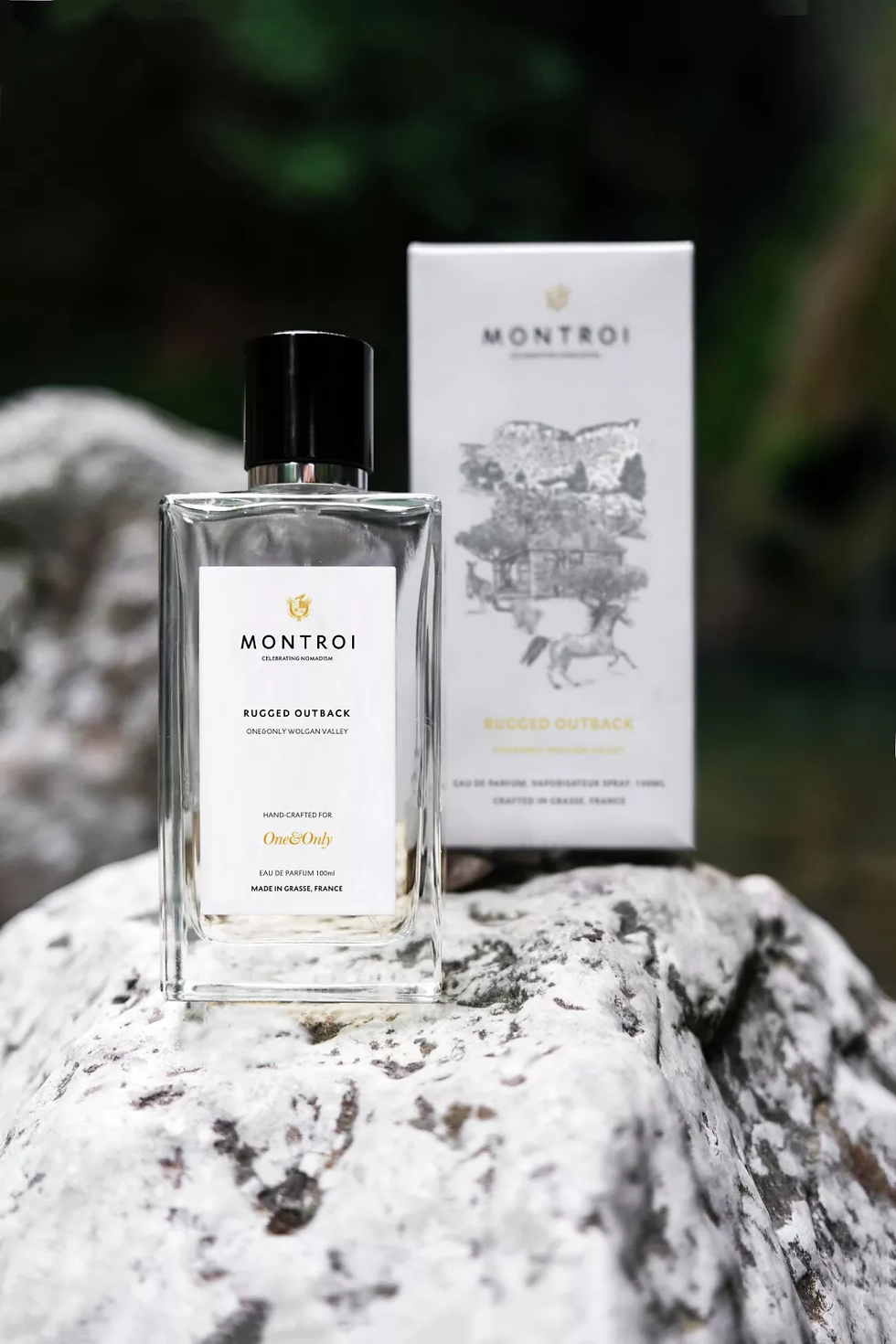
One of my favourite experiences at Alserkal Avenue was a perfume workshop at MONTROI, a luxury lifestyle brand celebrating craftsmanship and the spirit of nomadic travel.
During our hour-long session, we explored the history of perfume-making and its significance in Arabian culture.
Fragrance has a particularly important place in Emirati hospitality and personal identity. Traditionally, families would create their own distinctive scents using carefully selected ingredients, with fragrances becoming closely associated with individual households.
We learned about ingredients including cardamom, cinnamon, lavender, cedarwood, orange and vanilla, and how different combinations can create an entirely unique perfume.
MONTROI takes inspiration from craftsmanship along the historic Silk Route, working with artisans across destinations including Oman, Marrakech, Jaipur, Carthage, Ubrique and Grasse.
Alongside its fragrances, the brand produces leather accessories, incense, candles and other luxury goods.
The company has also developed bespoke fragrances for One&Only hotels, creating scents designed to reflect the individual character of each destination.
It was a fascinating introduction to a part of Arabian culture that I had previously known very little about.
Travel Times tip: If you’re looking for a Dubai experience that isn’t centred around shopping malls or skyscrapers, a perfume workshop makes a lovely alternative. It is also a particularly interesting activity for couples, friends or anyone interested in beauty and fragrance.

2. Visit Dubai Mall – Even If You Don’t Like Shopping
I knew Dubai Mall was big. I did not quite appreciate just how big.
Covering more than one million square metres, Dubai Mall is an enormous shopping and entertainment destination in Downtown Dubai, with more than 1,200 shops and hundreds of dining options.
When we visited on Saturday evening, it was absolutely teeming with people.
If you’re not an avid shopper, the sheer scale can be a little overwhelming. The mall sprawls like a labyrinth, and it is remarkably easy to lose track of where you are.
One moment, you could be in Manhattan, passing Bloomingdale’s and The Cheesecake Factory. The next, you might feel as though you’ve arrived in Paris, wandering through Galeries Lafayette.
There are Turkish sweets and freshly made baklava, Arabian carpet shops, toy stores including Hamleys and practically every international luxury brand you could name.
But shopping is only part of the attraction.

What Else Can You Do at Dubai Mall?
Dubai Mall is packed with attractions that make it worth visiting even if you have no intention of buying anything.
The Dubai Aquarium & Underwater Zoo is one of its most impressive features. Its enormous 10-million-litre aquarium is home to thousands of aquatic animals, including sand tiger sharks and rays.
You can admire part of the aquarium through the enormous viewing panel from inside the mall, while ticketed experiences allow visitors to explore further.
There is also Play DXB, a virtual reality and gaming attraction, alongside the Dubai Ice Rink, cinemas, family entertainment and a go-karting experience at EKart Zabeel.
One of the more unexpected attractions is Dubai Dino.
Located on the ground floor, this free exhibit features an authentic fossil skeleton of a Diplodocus dinosaur dating back approximately 155 million years.
Measuring around 24 metres long and seven metres high, it is quite an extraordinary thing to encounter in the middle of a shopping centre.
There is also Chinatown, a dining and shopping district offering another entirely different atmosphere within the mall.
Travel Times tip: Give yourself several hours to explore Dubai Mall, particularly if you want to visit the aquarium or another attraction. It is also conveniently connected to the Burj Khalifa, making it easy to combine both experiences in one afternoon or evening.

3. Go to the Top of the Burj Khalifa at Sunset
No first-time visit to Dubai would feel complete without seeing the Burj Khalifa.
Standing at 828 metres, the Burj Khalifa is the tallest building in the world and dominates the Downtown Dubai skyline.
It is an extraordinary piece of architecture, and no matter how many times you catch sight of it, its sheer scale is difficult to comprehend.
Inside the building are luxury residences, corporate offices, the Armani Hotel Dubai, restaurants and observation decks.
On Saturday evening, we visited At The Top, the Burj Khalifa’s observation experience, arriving in time to watch the sun set over the city.
And the views were phenomenal.
From Level 148, Dubai stretches out in every direction, with its enormous highways, skyscrapers and coastline looking almost miniature from above.
It is one of those experiences that makes you appreciate the scale of the city in a completely different way.
How Much Does It Cost to Visit the Burj Khalifa?
There are several ticket options for visiting the Burj Khalifa, depending on how high you want to go and the type of experience you’re looking for.
Ticket | Experience | Advertised starting price |
Silver | Levels 124 and 125 | AED 189 |
Gold / SKY | Levels 124, 125 and 148, with priority access | AED 399 |
Platinum | Levels 152–154, premium lounge experience | AED 769* |
Prices are in UAE dirhams and may vary by date, time and ticket package. *The Platinum figure is indicative from the supplied itinerary and should be reconfirmed before publication. The official booking site currently advertises Silver from AED 189 and Gold from AED 399.

Sunset is an especially popular time to visit, so I would recommend booking in advance if you have a particular date in mind. For anyone nervous about heights, I can offer a little reassurance. The lift journey to Level 148 was remarkably smooth, with calming music and visual effects accompanying the ascent. Aside from a slight popping sensation in my ears, I barely noticed how high we were travelling. Once you arrive, the solid floors and enormous glass panels make the experience feel much less intimidating than you might imagine.
And the photo opportunities are spectacular.
Travel Times tip: Book a time slot that allows you to see Dubai in daylight and stay as the city lights begin to appear. Watching the skyline transform at sunset is a particularly memorable experience.
Official tickets: At The Top, Burj Khalifa

4. Discover Traditional Dubai at the Sheikh Mohammed Centre for Cultural Understanding
For all its futuristic architecture, Dubai has a fascinating history that is sometimes overlooked by visitors.
One of the most memorable experiences of my trip was a visit to the Sheikh Mohammed Centre for Cultural Understanding, known as SMCCU.
Located in the Al Fahidi Historical Neighbourhood, the centre introduces visitors to Emirati traditions, hospitality, architecture and everyday life.
It is a wonderful opportunity to discover what Dubai was like before the skyscrapers, luxury resorts and enormous shopping centres arrived.
Our guide was Ahmed Al Jafflah, Senior Cultural Presenter at the centre, who walked us through the history of the old town and shared stories of life in Dubai before its transformation into a modern metropolis.
What Was Life Like in Old Dubai?
Walking through Al Fahidi, you begin to understand how dramatically life in Dubai has changed within a relatively short period.
Traditional homes were constructed using materials including coral stone, gypsum, wood and palm fronds, with central courtyards providing privacy and helping families manage the intense heat.
Ahmed explained the meaning behind traditional Emirati clothing, including the kandura, the long, loose garment worn by men, and the ghutra, a headscarf secured with a black cord known as an agal.
He also spoke about the importance of hospitality in Emirati society, where welcoming guests with refreshments is a deeply rooted tradition.
The experience offered a fascinating insight into the social customs that continue to influence everyday life in Dubai.

Dubai Before Oil: The History of Pearl Diving
One of the most interesting parts of our visit was learning about Dubai’s pearl-diving history.
Long before the city became an international centre for tourism, finance and trade, pearling was a major source of income for coastal communities across the Arabian Gulf.
Divers would spend months at sea aboard traditional wooden boats, repeatedly descending into the water to collect oysters from the seabed.
Without modern diving equipment, the work was extraordinarily demanding.
Ahmed described how divers used weighted ropes to descend quickly and relied on crew members to help pull them back to the surface.
The decline of the natural pearl industry, driven by the Great Depression and the development of Japanese cultured pearls, had devastating consequences for many Gulf communities during the early 20th century.
Hearing about these hardships while standing in the heart of modern Dubai made the contrast between the city’s past and present all the more striking.

Experience Emirati Hospitality First-Hand
The Sheikh Mohammed Centre for Cultural Understanding offers a range of experiences, including guided heritage tours, cultural breakfasts, lunches and dinners.
Visitors can enjoy traditional Emirati food while learning about local customs and asking questions in a relaxed setting.
The centre’s philosophy is built around encouraging conversation and cultural understanding, making it an especially welcoming experience for first-time visitors.
Ahmed summed up the spirit of the centre beautifully when discussing Dubai’s multicultural society:
“We don’t look at people like they are foreigners; we look at them as friends.”
For me, this was one of the experiences that made Dubai feel like more than just another luxury holiday destination.
Travel Times tip: If you only have time for one cultural experience during your Dubai holiday, consider a guided tour or traditional meal at SMCCU. It provides valuable context for
everything else you see around the city.
Find out more: Sheikh Mohammed Centre for Cultural Understanding


Comments